
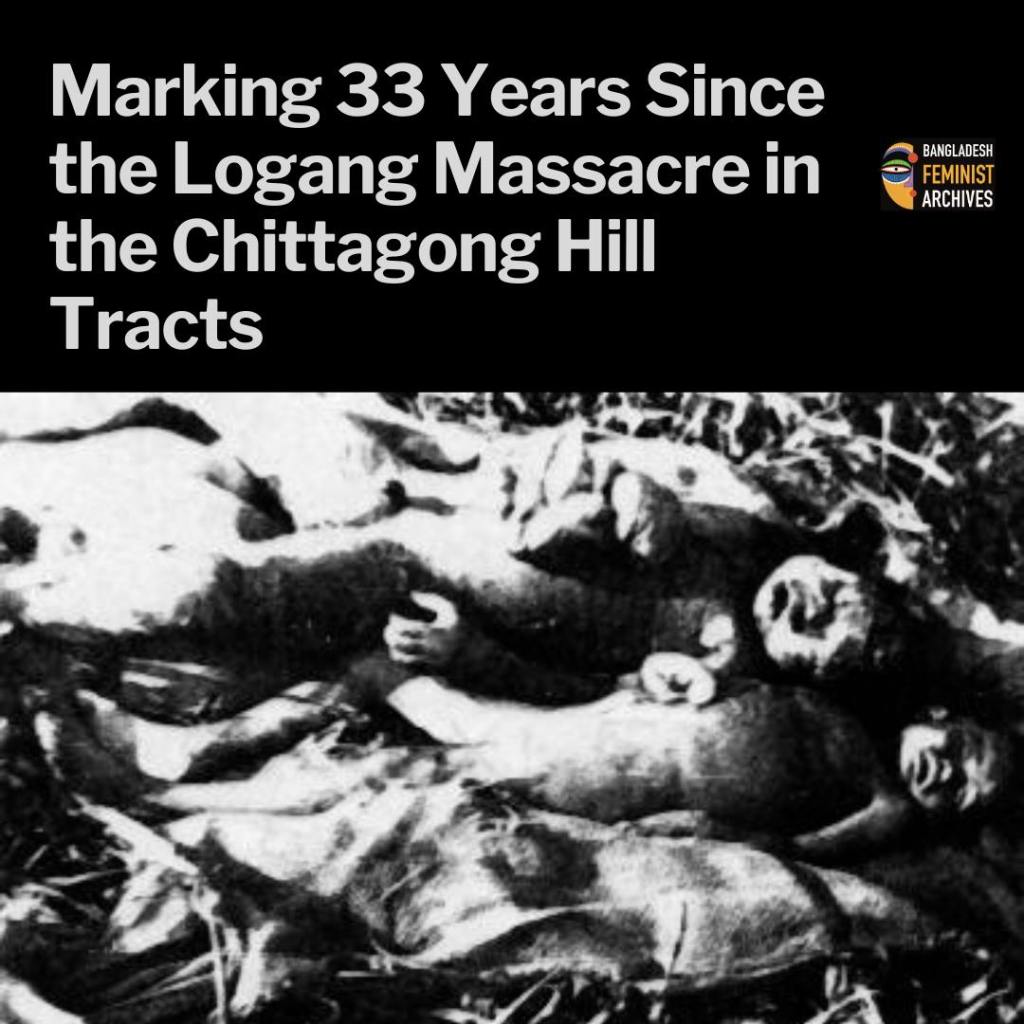
On April 10, 1992, the village of Logang in the Chittagong Hill Tracts became the site of a brutal massacre that profoundly impacted the indigenous Jumma community. Bangladeshi security forces, alongside Bengali settlers, launched a coordinated attack involving axes, hatchets, and firearms, resulting in the destruction of homes and the deaths of numerous villagers. While government reports at the time acknowledged 12 fatalities, independent sources and eyewitness accounts suggest that the death toll was significantly higher, with estimates exceeding 400 victims.
In the aftermath, over 2,000 survivors sought refuge in India’s Tripura state, fleeing the violence and devastation. The Bangladesh government initiated an investigation led by Justice Sultan Hossain Khan. However, this inquiry faced substantial criticism for its perceived lack of impartiality and thoroughness. Organizations such as Amnesty International highlighted contradictions within the report and its apparent minimization of the security forces’ involvement. Critics argued that the investigation failed to adequately address the severity of the atrocities committed and did not hold the perpetrators accountable.
The Logang massacre stands as a somber reminder of the systemic violence faced by indigenous communities in the Chittagong Hill Tracts. It underscores the urgent need for justice, accountability, and the protection of minority rights within Bangladesh. As we reflect on this tragic event, it is imperative to acknowledge and address the historical and ongoing challenges that indigenous populations endure, ensuring that such atrocities are neither forgotten nor repeated.
 Bangladesh Feminist Archives