
By Zerin Tasnim Ahmed
The new form of patriarchy is pink. You might be wondering: how can a colour be associated with patriarchy? It does so when the colour pink carries the toll of economic burden. The “pink tax” is a strategy used by companies to sell products targeted at women that are more expensive than nearly identical products designed for men. This gender-based marketing and economic inequality is a subtle yet powerful form of discrimination against women. Now, the question is, how does the notion of the pink tax harm the environment?
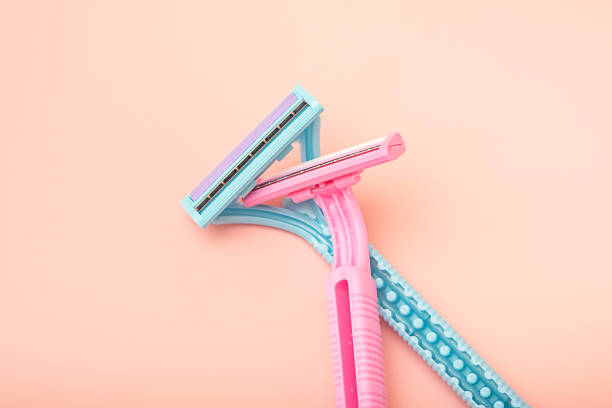
First of all, the pink tax is usually associated with everyday products used by females of every age and class. For example, personal care products (razors, lotions, shampoos, moisturisers, sunscreen), toys (pink scooters, Barbie dolls, clothing), sanitary pads, and other menstrual hygiene items are often costlier than male-targeted products. These so-called “feminine” versions are packaged differently, with pink colouring, floral prints, and sprinkles. By doing so, the price becomes more expensive. This not only creates economic problems but also produces extra waste (plastic moulds, inks, dyes, single-use packaging materials, etc.), resulting in further environmental destruction.
Moreover, many female consumers complain about the quality of products under the pink tax. The blades of razors made for women are often less sharp than those targeted at men. Similarly, toys for female babies are frequently fragile, decorative, and trend-based, whereas toys targeted at male children are generally stronger and more durable. Because women’s products are marketed as disposable rather than long-lasting, unsustainable consumption patterns become explicit. Women end up buying more products due to their less efficient characteristics. Companies create the illusion of choice, but in reality, they sustain a profitable cycle of overproduction that harms nature.
Sanitary pads are not luxury items. Yet, in Bangladesh, many women from rural and Indigenous communities cannot afford to buy this essential product because of its high cost. Most sanitary pads are made of nearly 90% plastic, laced with synthetic fragrances and bleaches that are harmful to both women and the environment. Each pad takes almost 500–800 years to decompose. Rather than investing in healthy and eco-friendly alternatives, companies continue producing low-quality products at higher costs. Eco-friendly sanitary products (such as menstrual cups, period underwear, and biodegradable pads) are still unavailable to mass consumers in Bangladesh. When they are available, they are more expensive or difficult to access.
Associating pink with femininity enforces stereotypical gender roles on women. On top of that, patriarchal capitalist norms exploit women by imposing unjust taxes on essential products. On one hand, women are economically burdened; on the other, the earth is flooded with chemicals, plastics, and toxic waste. In a world of advanced technologies, it is a shame that children, girls, and women are still paying more because of their biological necessities. This intentional exploitation of women and nature must be recognised and prohibited. Let not the patriarchal pink ruin the ever-healing green.
 Bangladesh Feminist Archives