
by Ishat Siddiqui
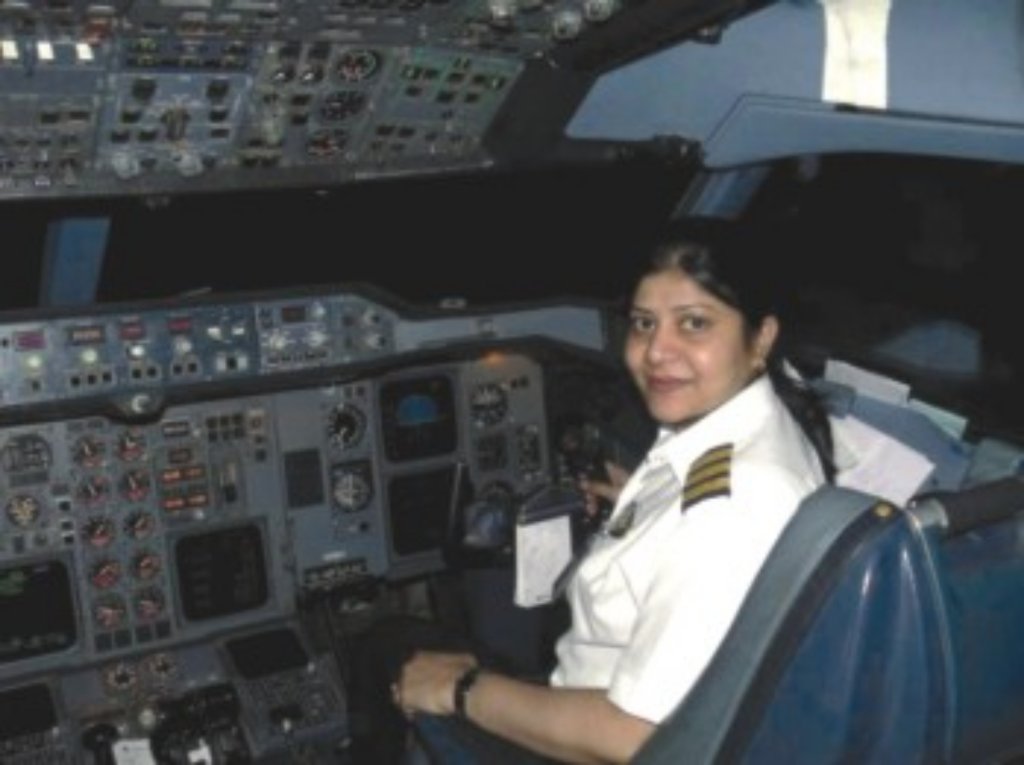
Syeda Kaniz Fatema Roksana was born on February 26, 1955, in Old Dhaka’s elite Tara Bagh. Presciently nicknamed Titly (“Butterfly”), Roksana would grow up to fly much higher than her namesake, becoming Bangladesh’s first female pilot.
At the time, East Bengal was a strictly conservative society, but Roksana was raised in the cultural environment of Tara Bagh. She grew up in a household that embraced art, literature, culture, and even sports, regardless of gender. She passed her Secondary School Certificate (SSC) exam in 1969 from Kamrunnessa Government Girls’ School in Tikatuli and her Higher Secondary Certificate (HSC) exam in 1973 from Sher-e-Bangla Girls’ College (originally Nari Shiksha Mandir). Exceptionally talented, Roksana was fluent in four languages apart from Bangla and even received a scholarship offer from Germany to study medicine. She refused, because her heart had been set since an early age: she wanted to fly.
Bengal’s pioneering feminist Begum Rokeya had blazed the trail for women’s education and careers, but even that hard-won equality was fragile. It was a daring act for Roksana to follow that path to Bangladesh Flying Academy & General Aviation (formerly Dhaka Flying Club) in 1976. She obtained her commercial pilot’s license within two years. Recognizing her skill, the Academy appointed her as an instructor, at a time when sophisticated flying technology was entrusted exclusively to men. But Roksana did not come this far to only instruct—she came to fly. When cadet pilot recruitment began in November 1978, she seized the opportunity and successfully passed the exam on December 7. Yet her appointment as a pilot was blocked solely because she was a woman. In 1979, recruitment opened again, this time explicitly restricted to men. This radicalized Roksana. She realized that if she wanted to see her dream fulfilled, she had to resist.
On May 31, 1979, The Daily Ittefaq published her open letter titled “Bangladesh Biman Vs. A Female Pilot.” It was a detailed and scathing account of the Academy’s sexist actions. Roksana revealed how her flying hours exceeded those of male cadets, yet she was denied. She exposed how senior officials defied presidential orders and prevented her from flying. She shamed the Academy’s patriarchal mindset, calling out their refusal to accept a woman in the cockpit. Addressed to the President and female Members of Parliament, her letter declared: “I am not asking for special privileges as a woman, and I don’t support the quota system, but if I have established myself alongside men, then let the mere fact that I was born a woman not take away from my rights.”
The letter sparked countrywide debate, reaching the National Parliament. Roksana received strong support from female MPs, rights activists, poets, artists, writers, and progressives. Under public pressure, the Academy lifted its discriminatory restrictions. Finally, on December 26, 1979, Syeda Kaniz Fatema Roksana was appointed as Bangladesh’s first female cadet pilot. She was free to fly. She advanced from Cadet Pilot to First Officer and was on her way to becoming Captain. It was a dream come true—but short-lived.
On August 5, 1984, Captain Qayes Ahmed Majumdar and First Officer Kaniz Fatema Roksana were operating a domestic flight from Chittagong to Dhaka in intense wind and heavy rain. After two failed landing attempts, their third was attempted in dense fog after losing communication with the Control Tower. In the chaos, they mistook Baunia Lake for the runway. The plane crashed into the water, sinking 20–25 feet and killing all 49 people on board, including both pilots. The crash remains Bangladesh’s deadliest aviation disaster.
Roksana’s life was cut short at just 29 years. Colleagues later recalled she had been three months pregnant and had planned to go on leave, intending for this to be her last flight. Captain Yasmin Rahman, another pioneering female pilot, remembered seeing her body at Dhaka Medical College: “Her body was covered in a shroud. It’s a memory I’ll never forget.”
Roksana is survived by her son, Syed Shoeb Hasan Boni, and by her parents and siblings, who went on to publish a monthly magazine Roksana in her memory. Her husband, Syed Hasan Baker, never remarried and passed away from cancer in 2012. Though Roksana did not live to become Captain, her family founded “Captain Roksana Kindergarten” in her honour. Today, she is remembered as the country’s first female pilot, who fought an uphill battle against a system determined to keep her grounded.
Reflecting on her impact, Captain Mahbub, President of the Bangladesh Airlines Pilots’ Association, said: “Roksana was a trailblazer. She proved women could fly and inspired generations. Today, we have 17 female pilots, some commanding Boeing 787 Dreamliners.”
It is important to remember Syeda Kaniz Fatema Roksana not only because she was the first woman in Bangladesh’s cockpit, but also because she represents every woman who has ever dreamed of doing something her society said she could not. She represents women surviving and thriving in male-dominated fields; women who resist, persevere, and refuse to let a patriarchal world clip their wings.
 Bangladesh Feminist Archives