
Raisha Jesmin
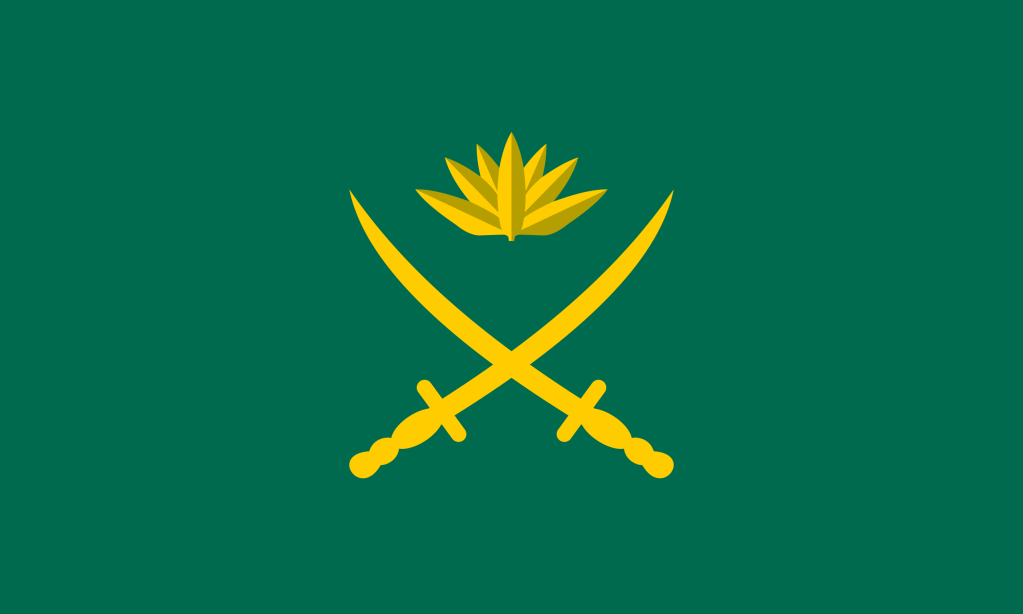
In February 2025, the Deputy Commissioners in Bangladesh proposed to introduce universal military training in order to involve the youth in the country’s defense efforts.
Many Bangladeshis responded to the proposal with enthusiasm and positivity, with several social media comments praising the initiative. Some of the comments read: ‘It will help young men to build strong mental and physical health and contribute to national defence too’ and ‘It should have been done since 1971. However, better late than never. 75% training should strengthen the mindset and morale, 25% weapon, war, and tactics. This will empower youth with morality and ownership based on culture and heritage. Also, improve civic sense and etiquette. Political analysts in the country also began highlighting the ‘strategic benefits’ of universal military conscription.
However, is mandatory military training really the appropriate path forward for the country? The military is not always a force for good. Bangladesh’s own history with two military dictatorships testifies to this. Additionally, the military’s track record of human rights violations in the Chittagong Hill tracts shows that the military can be a terrifying oppressor. Notably, across the world, the role of the military as a ‘masculinity maker’ is worth scrutinizing before considering such a drastic policy decision.
Although mandatory military enlistment is unlikely to be at the top of the Yunus-led interim government’s agenda when the country is still managing political havoc and socioeconomic woes, there is a need for a more critical discussion on what universal conscription could mean for the Bangladeshi youth and broader society.
Why Mandatory Military Training?
The deputy commissioners rationalized the proposal on the basis of counter-terrorism measures and strengthening of the country’s overall defense system. Bubbling tensions with Myanmar and India and increased armed resistance in the Hill Tracts are perceived to pose a threat to the country’s stability and sovereignty. Beyond the security functions, military training may be particularly valuable in emergencies, such as natural disasters, as Bangladesh is highly vulnerable to climate change and incurs billions in losses annually.
It is, however, too early to celebrate the Commission’s proposal
Not Always Heroes
Following the overthrow of the Sheikh Hasina regime in 2024, the Bangladeshi military gained renewed attention and praise from the public for its support of the student protestors and for facilitating the creation of the interim government. It should, however, be recognized that members of the military did participate in the state-backed terror that unfolded last year and the years preceding it.
For example, over time, many military officers have come to form the Rapid Armed Battalion (RAB), a paramilitary force notorious for human rights violations, including extrajudicial killings and enforced disappearances. After the political unrest of 2024, some of these officers have since fled abroad despite arrest warrants and travel bans, while the army chief has refused to offer an explanation. These instances perhaps appear less startling considering Bangladesh’s experimentation with military rule in the past laid bare that the military is capable of harming ordinary citizens. Under General Ziaur Rahman and General Ershad, human rights violations such as crackdown on civil liberties and torture of political prisoners were quite common.
The military’s veneer of benevolence and ‘protector’ of the nation-state comes further undone when viewed in relation to its presence in the Chittagong Hill Tracts. It is now well documented that the military has been a particularly malignant force in the country’s hill tracts region, which is home to indigenous populations. Human rights bodies have consistently reported on the human rights abuses occurring in the hill tracts, including sexual violence, extrajudicial killings, arbitrary arrests, and torture. Following Hasina’s removal, several cases of military violence in the hill tracts continued to emerge. The Parbatya Chattagram Jana Samhati Samiti, which is the only political organization representing the eleven multilingual indigenous Jumma people of the hill tracts, recently released its half-yearly report, revealing that the military and other security forces in the hill tracts have been conducting arbitrary arrests of indigenous communities and committing sexual violence against indigenous women.
In light of the violence and oppression that the military is engaged in, it is worth asking whose interests mandatory military enlistment would serve and uphold.
Military Maketh a Man
What makes the military an aggressive and potentially pernicious institution? Feminist political and security analysts have long critiqued the military as a hypermasculine institution that instills individuals with traits of aggression, emotional control, and overt heterosexual desire through strenuous physical training, thus dramatically transforming men’s bodies and minds. Indeed, as some of the social media comments in response to the proposal of universal military conscription reflect, the military is perceived as crucial to building masculine mettle, possibly a ‘rite of passage’ for Bangladeshi boys to become ‘strong’ men capable of ‘defending’ the country. However, militarized masculinity may exacerbate existing gender inequities. Evidence from North America and Britain, for example, demonstrates that the endorsement of hypermasculinity and domination in the military spills over into the private familial sphere, where men may perpetrate violence against their female partners. Though it is worth noting that rates of intimate-partner violence can be high among female soldiers as well, which prompts questions about military culture and the institution as a whole.
There are also severe physical and psychological costs associated with military participation. Statistics from the US suggest that 7 out of every 100 veterans can develop post-traumatic stress disorder. Data from the Netherlands shows that one out of four recruits drops out due to musculoskeletal injuries. In Britain, recruits often find it challenging to seek help for mental health conditions due to perceived occupational consequences and social stigma. In the Bangladesh case, the lack of research on masculinity construction and military enlistment makes it difficult to prognosticate how many recruits have experienced similar problems and how regressive notions of masculinity may be perpetuated through the institution. Nevertheless, caution should be exercised before prematurely celebrating the potential introduction of mandatory military training. When mapped against broader sociocultural norms, political interests, and power relations, mandatory military training could do more harm than good in the country.
Conclusion: Moving beyond Romanticization
It remains uncertain if Bangladesh will proceed with its universal military training proposal. Any decision would require consultation with a broad range of actors and careful consideration of the wider geopolitical landscape. Additionally, citizens, particularly young people, would benefit from being more informed about the antagonistic role the military and other security forces have long played in the country and around the world.
Although key decision-makers claim that the military is necessary to counter terrorism and safeguard the country, will our leaders acknowledge the abysmal condition of the Hill Tract populations and the government’s lack of recognition of indigenous rights? Will the government reassess the gender norms that contribute to upholding masculine dominance in the military and society at large? Unless these questions are addressed, mandatory military training is more likely to enable continued violence and oppression.
Raisha Jesmin works at a women’s rights organization and holds a Master’s in Gender and International Relations. Her research explores South Asian masculinities and gender identity in sports.
The views expressed in this article are the author’s own. Bangladesh Feminist Archives publishes a range of feminist voices that challenge state power, patriarchy, and systems of silence. We believe in creating space for dissent, dialogue, and the multiplicity of feminist thought in Bangladesh.
 Bangladesh Feminist Archives