
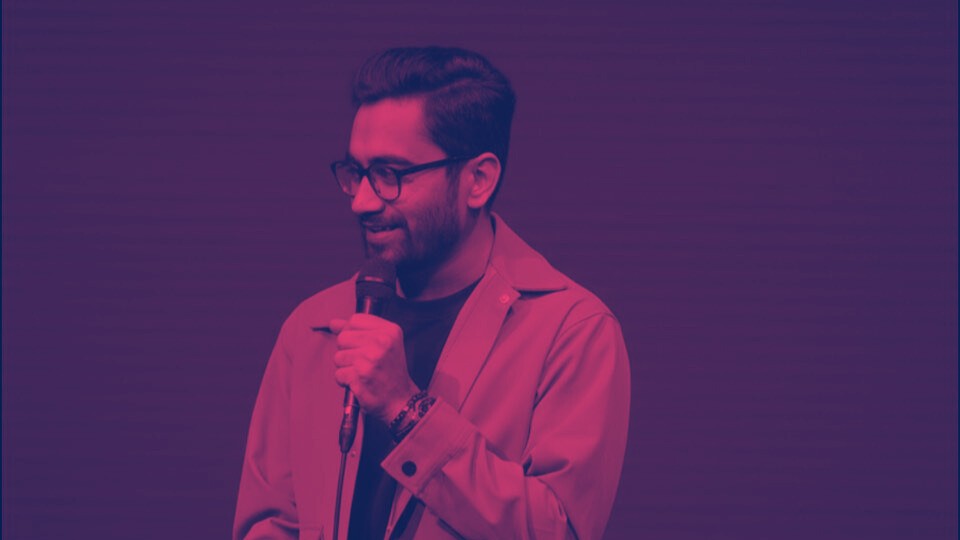
By Preetelata
The viral clip of comedian K Zubayer joking about male rape has stirred justified anger, not because comedy cannot touch difficult subjects, but because of how carelessly it handled one of the most silenced forms of violence in Bangladesh. Male rape is already an under-acknowledged, under-reported, and deeply stigmatized reality. When the rare moments of public attention arrive only through jokes, it tells us something disturbing about the cultural landscape surrounding sexual violence. A society that still struggles to accept that men, boys, and gender-diverse people can be raped is a society where humour becomes another tool for erasure.
The structure of the joke matters. It did not challenge the state’s failure to recognise male rape, nor expose the gaps in law, nor reveal the lived experiences of survivors. Instead, it relied on the same easy laughter that comes from discomfort, laughter that confirms, again, that male rape is “not serious,” “not believable,” or “not that big of a deal.” In a country where survivors already fear humiliation and disbelief, such humour reinforces the idea that their stories will not be met with empathy, but with mockery. This is not subversive comedy. It is humour built on the quiet suffering of people who rarely have the chance to speak.
The timing of this controversy intensifies its harm. Only months ago, a 20-year-old man in Narayanganj disclosed assault after enduring threats and silence. His case, like many others, barely entered public consciousness. Male survivors routinely face police reluctance, societal ridicule, and a legal system that is structurally unequipped to process their complaints. Bangladesh’s laws still do not comprehensively recognise male rape, leaving survivors with few avenues for justice and even fewer for dignity. Against this backdrop, treating their trauma as joke material highlights the vast distance between lived realities and public attitudes.
Humour does not exist in a vacuum. It reflects social norms and helps shape them. When comedians trivialise rape, whether of men, women, children, or queer and trans communities, they contribute to a culture where violence is normalised and survivors feel even more isolated. Jokes like these do not “raise awareness.” They re-inscribe stigma. They signal that some forms of suffering are suitable for entertainment and that certain survivors will never be taken seriously. For those who have spent years fighting to have male rape acknowledged as violence, not embarrassment, this kind of comedy is not harmless. It reinforces silence where compassion is already scarce.
Bangladesh does not need humour that picks the easiest victims: those who are already unprotected, unheard, and unbelieved. We need cultural work, including comedy, that is courageous enough to confront the structures that make sexual violence possible, not dismiss the experiences of the people who endure it. There is space for satire, critique, and difficult conversations, but they require responsibility. Until then, turning male rape into a punchline only mirrors what our institutions already do: deny survivors their humanity and make light of pain that should never have been a source of laughter.
 Bangladesh Feminist Archives